
Cripto: Bitcoin valido investimento per dominare incertezza globale Coinshares
20 de julho de 2022Become or Became? Difference Explained Helpful Examples
29 de agosto de 2022This reliance on alcohol can lead to https://ecosoberhouse.com/ heightened emotional and psychological abuse towards their partners, as the substance exacerbates their negative behaviors. Moreover, alcohol addiction may hinder female narcissists from acknowledging their harmful actions and seeking help. One limitation of this study is the lack of diversity in the sample’s age (18–25) and race (88% Caucasian). This limits the generalizability of the findings of the study. Some research has found racial differences in regards to college drinking. Adversely, alcoholism is driven by the addictive nature of the substance — the individual has mental and physical needs related to chronic alcohol consumption and not a personality disorder per se.

Is AUD a Mental Illness?
Charlie Health’s virtual substance use disorder treatment program for individuals with a primary substance use disorder diagnosis is only available in select states. Whether someone with AUD has admitted they need help or loved ones have staged an intervention, the first phase of treatment is detox and withdrawal. This is when your body gets rid of all the alcohol in your system. It’s important to do this safely under medical care, especially if your AUD is severe, to avoid dangerous withdrawal symptoms like seizures. If you see your loved one struggle and don’t know how to help them, outpatient detox rehab in PA can provide an important first step.
Understanding Covert Narcissism and Alcoholism
This behaviour often irritates or offends the other person thereby creating space between them. A narcissist will blame other people for their anger, allowing them to disregard covert narcissist alcoholic reality and preserve their elevated sense of self. Fueled by a belief that others don’t deserve their wealth, power or status, covert narcissists may isolate themselves from others, fostering their inner sense of superiority.
Behavioral Patterns
- The intersection of narcissism and alcoholism can have severe impacts on both the individual and their relationships.
- Many individuals with narcissistic personality disorder (NPD) turn to alcohol as a coping mechanism, complicating their path to sobriety.
- Alcohol addiction rehab programs at Dove Recovery focus on personalized care to meet the needs of each client.
- People with narcissism usually have incorrect perceptions about their life and what people think of them.
- So alcohol also provides the covert narcissist with a social setting, with a social context, with social activity.
Alcohol would eliminate the covert part and leave behind only the narcissist part. The alcoholic becomes volubly defiant, hates authority figures, feels in control, recharge of others and of the situation, capable of doing anything she puts her mind to. Irresistibly attractive, charming, charismatic and unfettered by rules or social mores. Alcohol serves several psychological purposes, several psychological needs very effectively. And this is why alcoholism is so intractable, difficult to get rid of, difficult to treat. In other words, alcohol renders the drinker a narcissist, a temporary narcissist.
How Are Narcissism And Drug Addiction Related?
A narcissist exhibits destructive behavior due to a lack of empathy and authentic emotions. They often hurt people because they don’t have the ability or want to understand other people’s emotions. Drinking alcohol numbs emotions, making Sober living house it easier to avoid these negative feelings. Narcissism is a personality trait expressed as selfishness, an extreme sense of entitlement, attention seeking, and a lack of empathy. A personality disorder is a type of mental illness where the person has a strict and unhealthy pattern of thinking, behaving, and functioning.
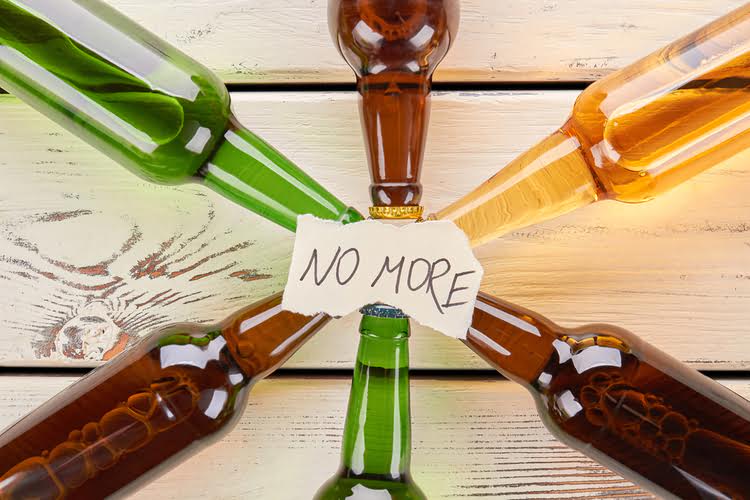
Unveiling the Covert Narcissist Alcoholic: Signs to Watch For
Chronic alcohol abuse, coupled with narcissistic personality disorder (NPD), can severely affect an individual’s physical and mental health. The persistent use of alcohol to cope with emotional discomfort can lead to a range of health issues, including liver disease, cardiovascular problems, and mental health disorders like depression and anxiety. The combination of these conditions often results in a cycle of dependency and deteriorating health. The current study contributed to the literature in the following ways. Third, this study differentially evaluated the relationship between grandiose and vulnerable narcissism and alcohol outcomes.
When both appear: integrated/dual‑diagnosis care
- It disrupts their illusion of perfection and can trigger feelings of shame and inadequacy.
- And sadly, addiction recovery can be particularly hard for them.
- What hurts a covert narcissist the most is typically a threat to their carefully constructed facade of superiority and control.
The cycle of narcissistic personality disorder and addiction are quite similar. The cycle of addiction involves cravings, growing tolerance and withdrawal. Narcissists crave the feeling of superiority and they are always seeking new and better triumphs that lead to greater glory.
Many people struggling with substance misuse have co-occurring mental health disorders. Narcissistic personality disorder (NPD) and alcohol use disorder (AUD) share unique risk factors and often overlap with other conditions. Pathways Recovery Center uses evidence-based treatments to help clients with narcissism and alcoholism. Coping with someone with a dual diagnosis can be more difficult than if that person suffered from only narcissism or untreated alcoholism.
They constantly seek admiration and validation, often manipulating situations and people to maintain control and admiration. There doesn’t appear to be a significant relationship between narcissistic personality disorder and substance use relapses. But, when people with both AUD and NPD go back to drinking, they will probably hide or deny it. They may also feel like they failed and blame someone else for their failure.
Partners of narcissists with alcohol addiction often become enablers, caught in an endless loop of trying to “fix” someone who refuses to change. This dynamic is particularly destructive in cases where the narcissist weaponizes sobriety, promising reform during periods of clarity only to relapse and repeat the cycle. If you suspect that someone you know has narcissistic personality disorder and alcoholism, you may be wondering how to deal with a drunk narcissist, or how do narcissists act when they’re drunk. Addiction can also affect people with this type of narcissism. A covert narcissist alcoholic may highlight their drinking to get attention, but will internally believe that everything is under control and therefore be unwilling to take steps to change it.
Covert narcissists drink in order to become primary psychopaths, in order to have Dutch courage. In summary, whether alcohol is to blame or not, having a person with narcissistic traits in your life can be exhausting and upsetting. Whether or not this person decides to seek treatment, don’t overlook your well-being and your right to a healthy, happy life.
